|
May is National High Blood Pressure Education Month
Did you know one in three adults has high blood pressure?
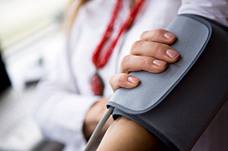
Blood pressure is the force of your blood against the walls of your arteries as your heart pumps blood throughout your body. A blood pressure reading contains two numbers. The top number measures the pressure when your heart pumps blood (systolic). The bottom number measures the pressure when your heart is at rest (diastolic). High blood pressure indicates that your heart is working harder than normal, putting both your heart and arteries under strain. A blood pressure reading of 119/79 or less is considered within the ideal range for most adults. A blood pressure reading of 120/80 to 139/89 is considered prehypertension in most adults. Your goal should be to maintain your blood pressure within the normal range, if possible, or lower than 140/90, except in persons with diabetes, in which case the goal should be 130/80 or lower. 1
High blood pressure, or hypertension, increases the heart’s workload, causing it to enlarge and weaken over time. It also increases the risk of stroke, heart attack, kidney failure and congestive heart failure. When high blood pressure exists with obesity, smoking, high blood cholesterol levels or diabetes, the risk of heart attack or stroke increases several times.1
1 Source: American Heart Association
Are you at risk for developing high blood pressure?
- Do your parents, sisters or brothers have high blood pressure?
- Are you African-American?
- Is your cholesterol level over 240?
- Do you smoke?
- Are you 20 percent over your ideal body weight?
- Do you consume two or more drinks of alcohol a day?
- Do you consume a diet high in sodium?
- Do you consume more than two cups per day of caffeinated coffee, tea or soft drinks?
How many "Yes" answers did you have?
Results: A “Yes” response reflects a factor that may increase your risk for high blood pressure. The more “Yes” answers, the higher your risk. The wellness tips in this email may help you to prevent, detect and seek treatment for high blood pressure.
Work with your doctor to control your blood pressure
If you’ve been diagnosed with high blood pressure —or even prehypertension— it’s important to do all you can to keep your blood pressure under control and at the reading recommended by your doctor.
Wellness tips to consider
If you’re overweight, lose it. Excess weight is closely associated with increased blood pressure. For most people who are more than 10 percent above your ideal weight, your blood pressure could be lowered with just 10 pounds of weight loss.
De-stress. Repeated stress appears to raise blood pressure, while relaxation techniques may lower blood pressure.
Do not smoke. Smoking increases blood pressure and contributes significantly to the development of heart disease.
Minimize alcohol consumption. Moderation is the key.
Increase Potassium. A study in the Annals of Internal Medicine concluded that potassium-rich foods can reduce the need for blood pressure lowering medication in some people with hypertension. Be sure to consult your doctor before trying a high-potassium diet. |